All News & Insights

Independent urban convenience: Reaching one of retail’s most fragmented channels 

Share

Urban c-stores represent one of retail’s most valuable, yet hard-to-reach channels.  

With thousands of independently owned locations across major markets, brands often struggle to introduce new products, drive trials, and build distribution. 

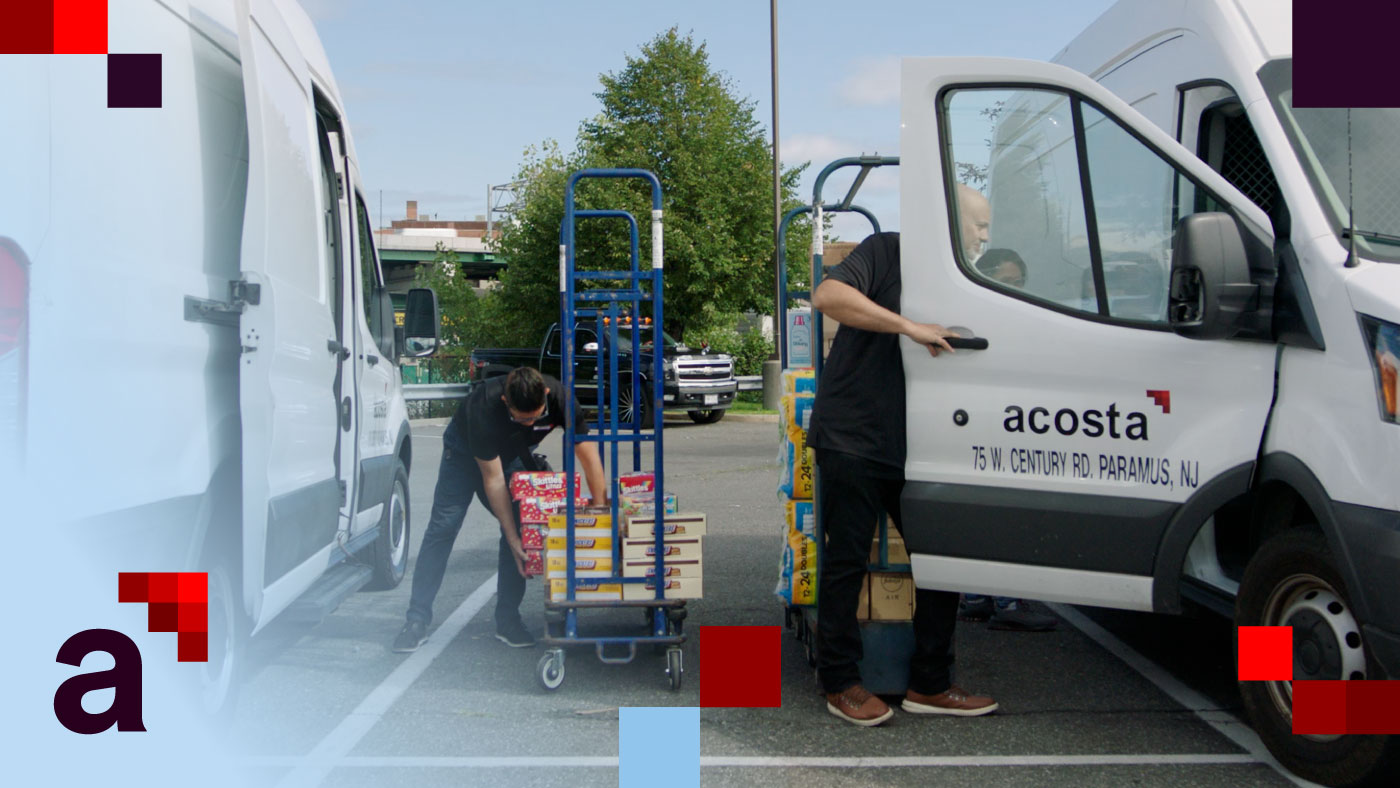
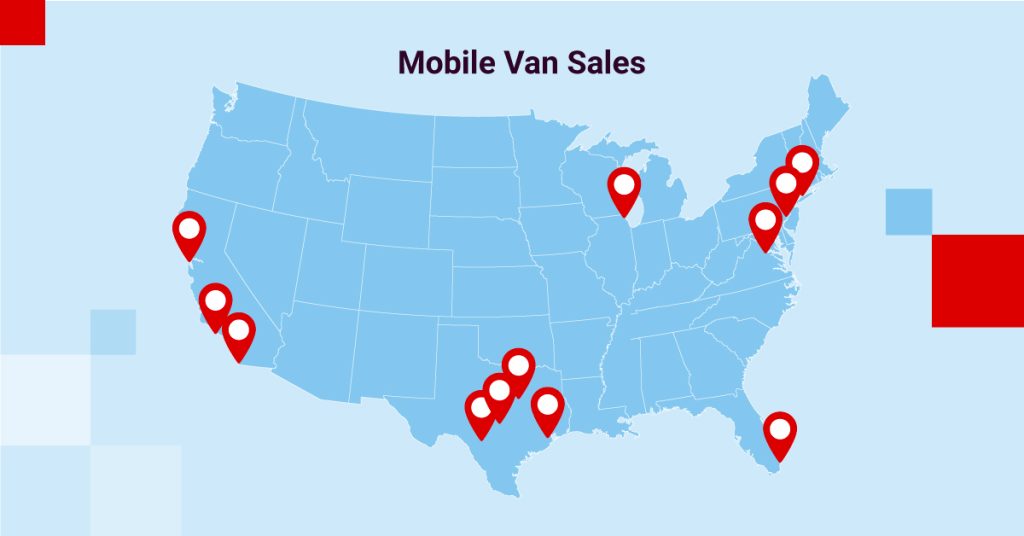
One approach that’s gaining traction is our urban van program. Today, the program reaches 24,000 independent convenience stores and bodegas across 12 of the nation’s largest urban markets. 

“When we go to urban, we focus on true urban,” explains Hobie Walker, SVP Small Format, Acosta. “Shoppers in these areas may not have the option of driving to traditional grocery or big box stores, or may choose not to use them, so we try to fill that need.” 
In busy metro areas, local is everything. SurgePays research found that 94% of shoppers in underserved urban communities feel their local stores are important, 59% visit their local independent retailer between one and six times weekly, and 46% have shopped at their local c-store or bodega for four or more years.  

Acosta Group’s 2025 Convenience Store Shopper Study found that 77% of shoppers living in markets served by the van program are making planned trips to their local c-store to purchase something they need, and 64% are making unplanned trips and purchasing impulse items, often on the way to or from work, an event, or a get-together.  

It’s a clear opportunity for c-store owners to build shopper loyalty by offering easy-to-shop snack assortments and ready-to-go options supported by promos and displays. 

Finding the right mix 

“Consumers are loyal to neighborhood stores,” says Walker. “So it’s our job to develop close relationships with owners, earning their trust by bringing in best-selling items that will drive sales and create a win for shoppers, retailers, and brands alike.” 

Across Acosta’s urban retail team, bilingual associates work with store owners and clerks, showcasing new items and sharing why they’re a good fit for customers. 

“We are true partners to retailers,” says Walker. “We educate owners on trends as we walk the stores with them, reviewing product mix and identifying whether they’re offering the right products, brands, and sizes.” And while Acosta doesn’t dictate pricing, account leads will let owners know if their prices vary significantly from the broader marketplace, helping them stay competitive. 

Acosta’s urban vans carry large manufacturer “power SKUs,” items known to perform strongly at a national level. They also carry “innovation items,” which often achieve an 80% distribution rate within eight weeks. Items are selected by the manufacturer, who works with Acosta to monitor sales throughout the year, making adjustments as needed. On occasion, regionality plays a role. For example, Big Red chewing gum is a staple in Texas, where cinnamon is a favorite.  

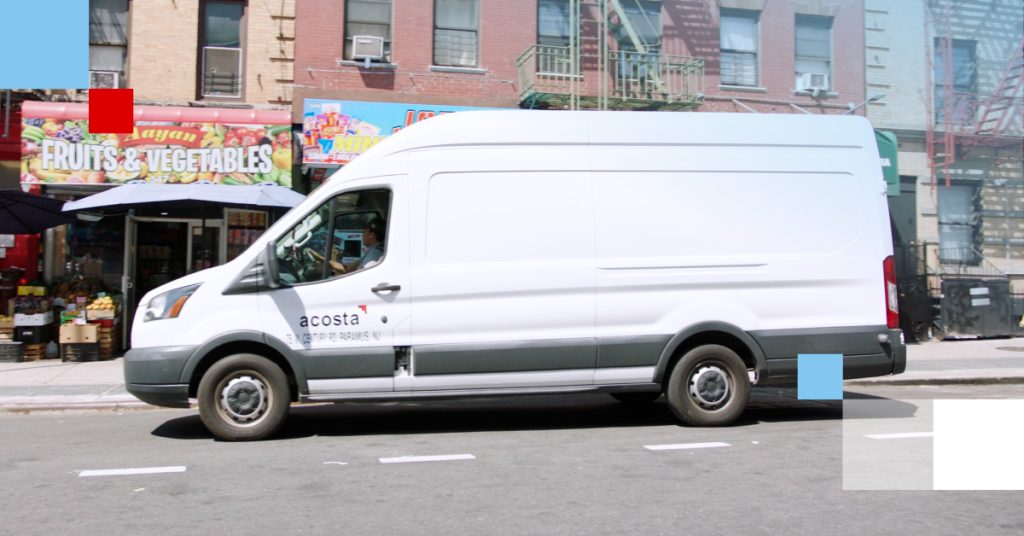
Vans come fully stocked and ready for retailers to purchase items. Once products are selected, Acosta reps help owners identify the best shelf location and layer in appropriate point-of-sale information and offers. If previously purchased items need replenishment and are available on the van, restocking happens immediately. As other items run low, retailers are reminded to go to their suppliers for restocking.  
Knowing what sells 

Understandably, owners are sometimes hesitant to take a chance on new items. But letting customers vote with their wallets is often all the proof they need. 

“Shoppers value name brands and product innovation, and they’re willing to pay to have that branded experience,” says Walker.   

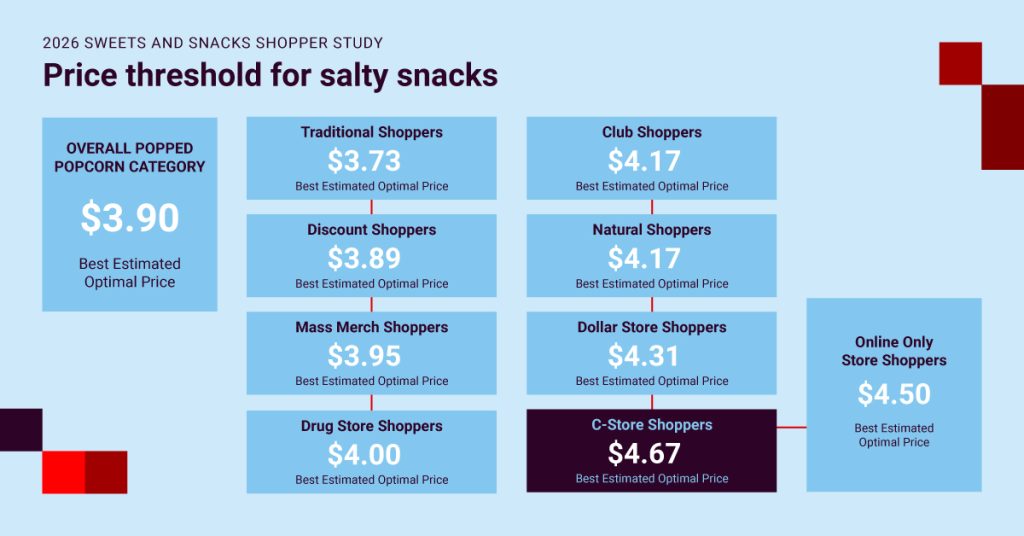
Acosta Group’s 2026 Sweets and Snacks Shopper Study supports this point, showing that, nationally, convenience shoppers have a higher pricing threshold for salty and sweet snacks than shoppers in the grocery, drug, club, and even discount or dollar channels.  

Acosta meets with its retail partners every eight weeks. The first question owners typically ask? “What do you have for me that’s new?” 
Making room for more brands 

Acosta’s urban van program has also become a distribution strategy for megabrands like P&G, Coca-Cola, Campbell’s Snacks, and Quest. Each has its own vans stocked with 50 to 60 products.   

“While we operate this program in cities where there is the highest density of independent convenience stores,” explains Walker, “we’re open to considering other markets based on client needs.” 

Earlier this year, Acosta opened the door for emerging brands to participate in the van program. By creating a consortium, Acosta introduced a cost-effective way for up to four manufacturers to collaborate, each offering up to a dozen hand-selected items to be featured on a small fleet of vans in designated markets. Initial participants have included Gummy Rush, Monarca Authentic Snacks, and Zynga, and early results have been strong.   

Investing in the field 

To ensure continued success, Acosta provides rigorous training to its urban van team. After a formal onboarding period, sales representatives go into the field to work with owners, with a district manager there to observe and coach. 
 
“When we leave a store visit, we need to know that the owner and sales associates understand the products they’ve selected and that items have been merchandised to their greatest advantage,” says Walker. “We want them to be positioned for success from day one.”  

C-stores represent a vibrant and ever-evolving retail environment. Innovative programs that help independent retailers earn more business are a win for brands, for owners, and for millions of urban shoppers. 

All News & Insights

Growth starts with trust, not trends

woman looking at item in retail aisle

Share

There’s no shortage of innovation in health, beauty, and nutrition. Walk any retail aisle or scroll any digital shelf, and you’ll see it: more claims, more functionality, and more “better-for-you” positioning than ever. 

But innovation alone is not what’s driving growth. In many cases, it’s creating noise. 

Winning brands and retailers are not the ones chasing every emerging trend. They are stepping back, understanding what has fundamentally changed about the consumer, and building strategies around that reality. 

Because the biggest shift is not about protein, hydration, or clean ingredients on their own. It is about trust. 

A more intentional consumer 

The modern consumer is more informed and more skeptical than ever. 

Coming out of the pandemic, people didn’t mindlessly return to old habits. They re-evaluated them. Health became more than a category. It became a decision-making filter across food, personal care, and household products. 

That shift has reshaped expectations: 

  • Ingredient transparency is now a baseline (not a differentiator) 
  • Value is not defined solely by price  
  • Brand loyalty is earned through credibility, not familiarity  

Consumers are not just asking “Does this work?” They’re asking, “Do I trust this?” and “Is this right for me and my family?” 

That’s a meaningful change, and it requires a different response from both brands and retailers. 

When trends turn into noise 

Protein is a clear example of how quickly a trend can become diluted. 

What started as a functional category aimed at specific consumer needs has expanded into near ubiquity. Protein now appears across snacks, cereals, and beverages. 

That growth reflects real consumer demand, but it also raises an important question: are we solving a need, or following a trend? 

Not every product benefits from added functionality. In many cases, adding more creates confusion rather than value.  

This pattern extends beyond protein. Hydration, functional ingredients, and even wellness claims are being applied broadly, often without a clear role in the consumer’s life. 

The brands that stand out are not adding features indiscriminately. They’re making deliberate choices about where innovation truly matters. 

Experience is becoming a differentiator 

At the same time, products are becoming more experiential. 

This is especially evident in beauty and home care, where product design is becoming more layered, sensory, and emotionally resonant. Fragrance is a powerful example. What was once largely functional has evolved into a way for consumers to express mood, identity, and personal preference. 
 
Consumers increasingly want products that do more than perform. They want products that feel personal and turn everyday routines into small moments of comfort, enjoyment, and escape. That expectation accelerated during the pandemic and has not gone away. 

For brands, this raises the bar. Experience cannot be treated as a decorative layer or a final touch. It needs to be built into the product, the sensory cues, and the brand story from the start. 

Overlooked opportunities in holistic health 

While some trends have been overextended, others have not been fully developed. 

Holistic health is one of them. 

There was a period when categories like vitamins, supplements, and natural wellness were central to the conversation. Then the focus shifted toward more immediate, functional benefits like protein and hydration. 

But the underlying need didn’t go away. 

Consumers are still looking for solutions that support total well-being, including gut health, mental wellness, sleep, and immunity. What’s missing is cohesion and credibility in how those benefits are delivered. 

This is where meaningful innovation lives. Not in incremental plug-and-play product extensions, but in solutions built for the complexity of human needs and grounded in earned trust. 

Alignment between retailers and brands 

One of the biggest barriers to growth is lack of alignment. 

Retailers are focused on engagement, basket size, and category performance. Brands are focused on differentiation and share growth. 

Both perspectives are valid, but they do not always connect. 

Ingredient transparency is a good example of the gap. Consumers are actively seeking products that meet specific criteria, whether that’s aluminum-free or simplified ingredients. Yet those products can still be difficult to find in-store. 

When brands try to communicate everything through packaging, it overwhelms. When retailers don’t create clear pathways, the burden shifts to the consumer. 

The key is collaboration. Brands need to clearly define their value. Retailers need to make those products easier to find and shop. 

Better alignment helps retailers become destinations, and brands become easier to choose. 

Digital execution as growth lever 

Digital remains one of the most underutilized opportunities in health, beauty, and general merchandise categories. 

Despite significant growth in e-commerce, many brands still treat digital as secondary. Product pages are often sparse, offering minimal imagery and little context. 

In a digital environment, the product has to work harder. Consumers cannot see, touch, or test it. Brands must clearly communicate what the product is, how it fits into a routine, and why it matters. 

Strong digital execution includes: 

  • Clear and compelling imagery  
  • Context for how the product is used  
  • Simple, visual communication of key benefits 

Changes can be implemented quickly and scaled efficiently. But only when digital content is treated as a priority

What comes next 

The next phase of HBC and non-foods growth will not be defined by a single trend. 

It will be defined by how well brands and retailers respond to a more intentional, more discerning consumer. 

That means: 

  • Building trust through transparency and consistency  
  • Prioritizing meaningful innovation over incremental additions  
  • Creating products that deliver both function and experience  
  • Making “better‑for‑you” easier to discover 
  • Elevating digital execution to meet expectations  

These categories are deeply personal. They shape daily routines and long-term well‑being. 

The opportunity is significant. But success will require discipline and clarity on what truly matters. 

Follow Megan on LinkedIn for her practical insight on scaling your brand in retail.