Growth often starts when we step outside our comfort zones. Writing a blog is new for me, but I’ve always believed that learning and growth come from embracing new challenges. So, here goes.
Today, fresh foods sit at the center of the consumer experience and remain one of the strongest drivers of differentiation, loyalty, and growth across edible outlets. As I connect with consumers, operators, brand owners, and industry leaders, one theme consistently emerges: the future of fresh will be shaped by quality, convenience, omnichannel engagement, artificial intelligence, and the ability to make fresh foods a meaningful part of consumers’ lifestyles.
Quality is still the foundation
One of the best pieces of advice I ever received was simple: good food sells.
No matter how advanced technology becomes or how seamless the digital experience may be, quality must remain at the heart of every fresh food strategy. If the food fails to meet expectations, nothing else matters.
We’ve all experienced it: one disappointing produce purchase can influence future shopping decisions, while an exceptional meal or fresh food experience builds trust, loyalty, and repeat purchases.
The recent Cyclospora outbreak has brought renewed attention to food safety. My thoughts are with those affected, and it will be important to watch how consumer perceptions evolve — not only to the specific products and brands involved, but to the broader produce category, particularly leafy greens. Historically, food safety incidents can influence shopper confidence beyond the brands directly impacted, creating ripple effects across an entire category. It’s a reminder that trust, transparency, and quality remain essential throughout the fresh food supply chain. Quality builds trust, and trust builds loyalty.
Convenience continues to shape consumer behavior
Consumers are busier than ever, and fresh foods increasingly need to fit seamlessly into their lifestyles.
Prepared foods, meal kits, grab-and-go offerings, and restaurant-quality solutions continue to gain momentum as consumers seek convenience without sacrificing quality.
Consumers don’t think in channels. They think in meal occasions. Their goal is simple: finding the right food solution at the right time through the most convenient experience possible.
For operators and brands, this creates opportunities to capture a larger share of meal occasions by delivering fresh solutions that simplify everyday life.
Consumers expect a seamless experience
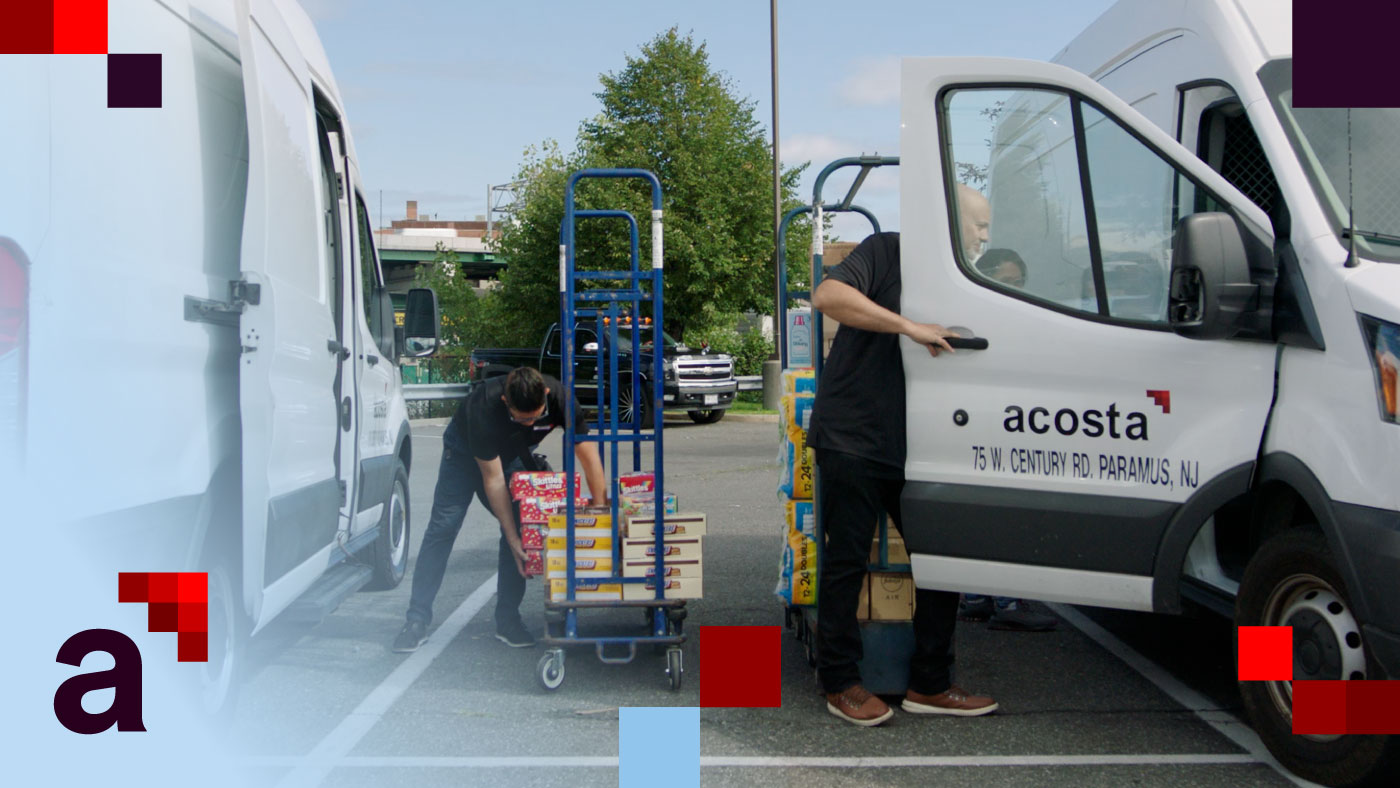
Fresh foods have become one of the ultimate tests of a successful omnichannel strategy. Today’s consumers may browse an app, review loyalty offers, order online, schedule pickup, or choose delivery — all before ever stepping into a store or restaurant. Regardless of how they engage, they expect a consistent, high-quality experience throughout the entire journey.
And quite simply, moving fresh products seamlessly across channels is more complex than managing shelf-stable goods. But if growth were easy, the journey wouldn’t be nearly as rewarding.
A simple look at my own family reinforces this trend.
Just last week, my wife, our 18-year-old son, our 14-year-old daughter, and I purchased food from club stores, grocery stores, mass retailers, coffee shops, fast-casual restaurants, a quick-service restaurant, a food truck, and yes, several ice cream shops (my daughter and I have a particular appreciation for ice cream). We also enjoyed several meals at home and likely a few other food occasions I’ve already forgotten. Some decisions were made on our phones before we ever left the house, while others happened in the moment.
My son recently started a part-time job delivering orders for a food delivery app as he saves for college spending money. The stories he brings home have been both entertaining and insightful. They reinforce a growing reality: consumers expect food on their terms wherever and whenever they want it.
Today’s shoppers don’t distinguish between digital and physical experiences. Whether they’re ordering from a phone, shopping in-store, grabbing a meal from a food truck, or having dinner delivered, their decision-making is driven by convenience and accessibility.
The question for brands is simple: Are you present wherever consumers choose to shop, dine, order, or discover food? If not, there is a significant opportunity to expand your reach, strengthen engagement, and grow your business.
AI is reshaping fresh
Artificial intelligence is also becoming an increasingly important part of the food purchasing process. From recipe inspiration and meal planning to personalized promotions and product discovery, AI is influencing decisions long before consumers make a purchase. A recent Numerator survey found that 51% of shoppers have used or are likely to use AI when engaging with restaurants, while 48% reported the same for grocery shopping. My belief is those numbers will continue to climb rapidly in the years ahead.
The operators and brand owners that successfully combine fresh food expertise, omnichannel excellence, and AI-driven insights will be best positioned to build loyalty, deepen consumer engagement, and drive sustainable growth.
National brands and operator brands both win
Another trend shaping fresh foods is the continued growth of both national brands and operator brands across virtually every food outlet. In a recent Acosta Group shopper study focused on fresh foods across retail, 82% of shoppers indicated that it is important for the fresh department to feature well-known national brands.
National brands bring innovation, consumer trust, awareness, marketing investment, and category leadership. They often introduce new products, trends, and solutions that drive shopper engagement and category growth.
At the same time, today’s operator brands have evolved far beyond the value-focused alternatives of the past, delivering quality, innovation, differentiation, and strong value.
The most successful operators recognize this isn’t an either-or decision. They use both to create a balanced assortment that maximizes choice, quality, and shopper appeal.
In the end, consumers win. They benefit from trusted brands they know and love, alongside compelling operator-brand offerings that continue to raise the bar across the fresh food experience.
Fresh foods are about more than food
Fresh foods are deeply connected to how we live. They bring people together, support health and wellness, and play an important role in many of life’s everyday moments.
Think about a meaningful memory where fresh food played a role. For me, it was my son’s recent high school graduation party. We were surrounded by family, friends, and plenty of great food including a local favorite called a Garbage Plate (ask me about it sometime).
What I remember most isn’t the food itself but celebrating my son and sharing that milestone with the people who helped shape him.
Chances are one of your favorite memories also includes fresh food, too. A holiday meal, backyard barbecue, family gathering, or celebration with friends. That’s the power of fresh. It nourishes us physically while connecting us emotionally.
Looking ahead
The future of fresh belongs to organizations that successfully combine:
- Exceptional product quality
- Convenience and meal solutions
- Omnichannel execution
- AI-enabled insights and personalization
- Balanced national brand and operator-brand strategies
- Fresh foods as an integral part of consumers’ lifestyles
Fresh remains one of the primary reasons consumers choose one operator or brand over another. The winners of tomorrow will make fresh easy to discover, purchase, trust, and personalize through AI-enabled experiences.
Fresh foods are a strategic growth engine across edible outlets. The operators and brands that embrace this evolution will not only gain market share but also build deeper, longer-lasting consumer relationships.
I hope these thoughts spark conversation, and I welcome the opportunity to learn from others across our industry. One lesson I have learned throughout my career is that some of the best insights come from shared experiences and diverse perspectives.