
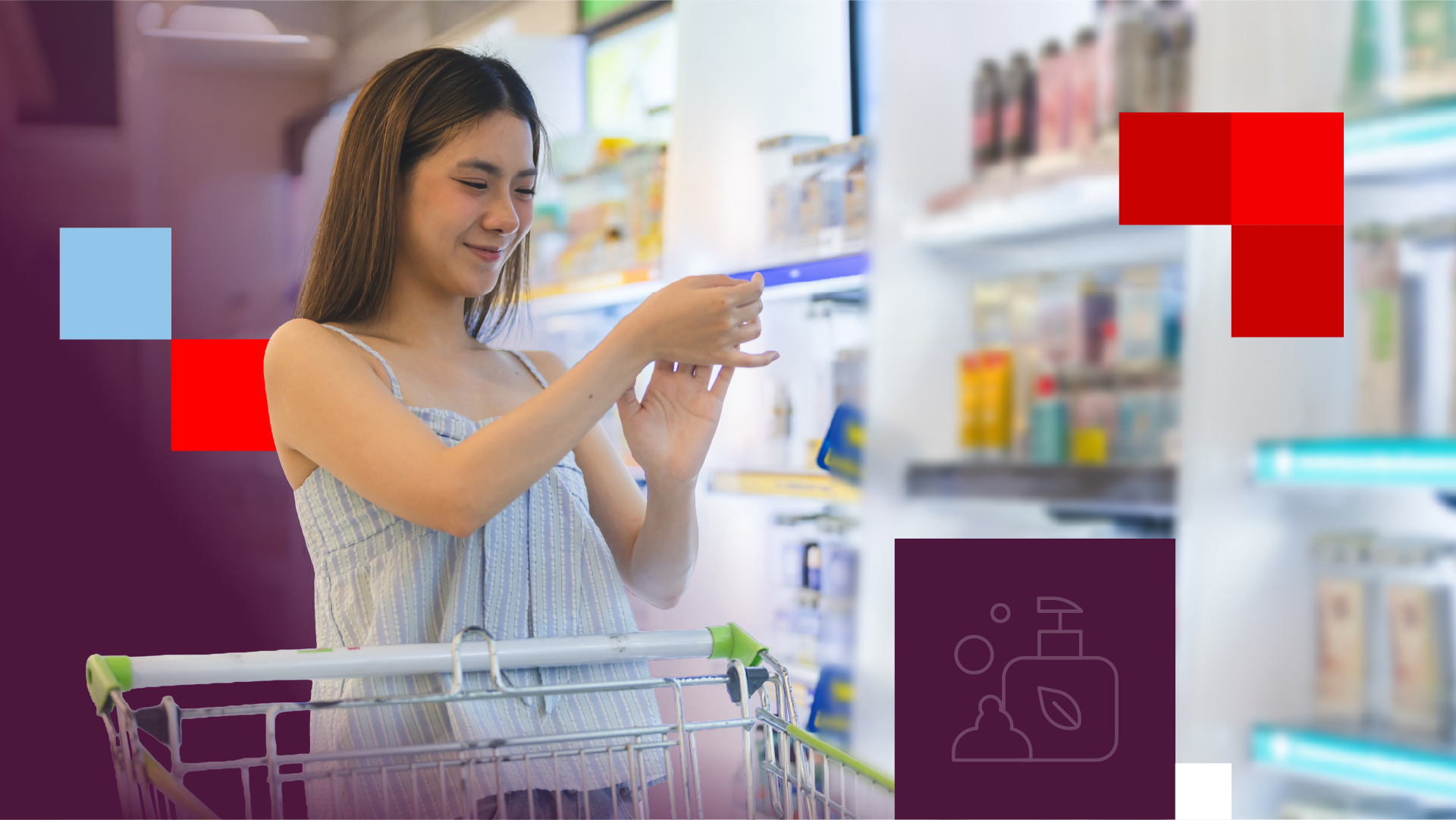
Seasonality is easy to spot in retail. Halloween candy arrives while summer is winding down. Holiday décor appears before Thanksgiving. Spring cleaning brings a predictable wave of household purchases.
Health and beauty categories have seasonal rhythms, too, and today’s consumers are reshaping them.
For decades, the calendar offered an easy playbook. Winter meant lip care and lotions. Spring brought allergy relief and beauty refreshes. Summer drove sunscreen and insect repellent. Fall signaled immunity support to stave off colds and flus.
Those demands haven’t disappeared. What has changed is the space between them. Wellness is becoming a year-round priority, and categories once viewed as seasonal are finding a place in everyday routines.
The result is a more nuanced version of seasonality, with opportunities during traditional peaks and also between them.
Consumers are redefining the season
Shoppers increasingly act before a season arrives. Technology, social media, wellness culture, and preventive health are changing when, why, and how people shop. The mindset is shifting from reactive to proactive, from occasional use to daily routines, and from short-term fixes to long-term maintenance.
Acosta Group proprietary shopper research reinforces that shift. Nearly 7 in 10 shoppers say they try to stay ahead of bugs by taking preventive measures as fall approaches. Preparation starts early: more than half begin purchasing health and wellness products at least one month before the season begins.
Seasonality still creates the trigger, but shoppers are often a step ahead. Weather remains a factor, alongside life stages, routines, wellness goals, and specific needs.
A category can still have an annual peak while building a stronger base of business throughout the year.
Sunscreen takes no time off
Sunscreen offers a clear example. Summer remains the category’s most visible selling season, but sun protection is part of year-round skincare for many.
Acosta Group proprietary shopper research found that one-third of sunscreen users say they wear it all year long, while 56% say additional skincare benefits make them more likely to use suncare throughout the year. Purchasing begins early in the spring and extends beyond Labor Day, challenging the idea of suncare as a summer only category.
Several forces support that evolution: greater awareness of skin cancer and UV exposure, SPF incorporated into everyday skincare, and hybrid products such as SPF serums and moisturizers.
What else is in the cart?
Immunity is moving from cold and flu season toward a broader wellness routine.
Acosta Group research found that 65% of shoppers take vitamins or supplements daily. That suggests regular supplement use is already part of many shoppers’ routines, alongside fall-specific preparation for flu season.
Hydration has also evolved from a summer-driven need into a daily priority. People connect hydration with energy, cognitive performance, beauty, immunity, and recovery. Active lifestyles, functional ingredients, and healthy aging goals are reinforcing hydration as a daily habit across beverages, powders, supplements, and other wellness formats. GLP-1s are no doubt contributing to greater attention to hydration.
Seasonal transitions can also become moments for personal reset. Acosta Group research found that 70% of shoppers planned to make noticeable or small changes to how they handle health and wellness this fall. Priorities ranged from healthier eating and exercise to immunity, sleep, energy, and stress management.
The retail shift
For retailers and manufacturers, the opportunity is to plan for both the peak and the routine. That means asking different questions:
- Are we merchandising for the calendar and the consumer mindset?
- Are products placed where related needs emerge?
- Are we activating multiple seasonal moments rather than relying on one traditional window?
- Are we treating wellness categories as occasional events or as lifestyle platforms?
This may require organizing wellness differently. Acosta Group research found that shoppers want health and wellness assortments to be more affordable, simple to navigate, and easier to understand. This takes merchandising around needs and solutions rather than categories alone.
The winners will identify seasonal triggers in everyday behavior. They will preserve the power of traditional peaks while creating relevance before and after them through education, innovation, cross-merchandising, and solutions built around the consumer.
A new calendar for health & beauty
The future of health and beauty seasonality is not simply about extending summer or moving holiday sets earlier. It’s about recognizing how routines, wellness goals, and life stages interact with traditional seasons.
Being part of these evolving rhythms will position brands to win all year long.
Follow Megan on LinkedIn for practical insights on scaling your HBC brand in retail.