

All News & Insights

The nutrient reset: How new shopper priorities are reshaping the retail food space  

Share

The definition of value in food retail is shifting fast. 

It’s no longer just about price or pack size. Shoppers are measuring value through another lens: nutrient density. 

Across natural and conventional channels, consumers are tracking sleep, monitoring glucose, and reading ingredient labels more closely than ever. Foods tied to real health outcomes are earning a bigger share of the basket. 

This isn’t a passing trend. It’s a major reset to the mainstream. 

Nutrient density is the new baseline 

People increasingly connect food with prevention, not just convenience or indulgence. Science News Today reports that health systems spend billions treating diseases that could have been prevented through better diets. 

Consumers are finally linking food choices to digestion, longevity, and weight management — and they’re expecting brands to keep up. 

“Shoppers aren’t just looking for fewer negatives. They’re seeking positive nutritional benefits like protein, fiber, gut health, and healthier fats.”

Andrew Fleming, SVP, Impact Natural 


The question isn’t whether to lean into functional ingredients. It’s how clearly and credibly brands communicate those benefits.

That shift is driving faster reformulations: less sugar and refined carbs, more protein and fiber, and ingredients tied to specific health outcomes. 

Brands moving early will help define consumers’ expectations. 

GLP-1s are rebuilding the basket 

Few forces have reshaped food purchasing as quickly as GLP-1 medications. 

Food Business News reports that users are trading high-carb and high-sugar products for lean proteins, fiber-rich foods, and healthier fats. Acosta Group Shopper Insights also shows increased demand for supplements, protein shakes, gut health products, and energy-support items to fill nutritional gaps. 

It’s one of the first times a medical intervention has created measurable cross-category purchasing changes. 

For brands, the opportunity is clear: higher-protein options, smaller portions, new indulgence products, and items that bridge food and supplement benefits. 

Even if GLP-1 adoption evolves, the demand for metabolic health and satiety isn’t going away. 

The ingredient bar keeps rising 

Nearly half of U.S. shoppers are familiar with recent federal initiatives aimed at strengthening ingredient standards. While 53% expect reformulation to increase prices, 50% believe food will ultimately become safer as a result. 

Consumers are also looking for standards that more closely resemble Europe’s stricter regulations. 

Clean labels are no longer a differentiator. They’re expected. Simpler ingredients, fewer additives, and transparent sourcing are quickly becoming baseline requirements. 

Wellness tech is raising expectations 

According to Nutrition Insight, personalized nutrition powered by AI, biometrics, and wearables is moving consumers away from generic diets and toward tailored solutions. 

Shoppers are evaluating products based on specific outcomes — from better sleep to improved gut health — rather than broad wellness claims. 

Clarity matters. The more specific the benefit, the stronger the appeal. 

Private label is no longer playing defense 

Private label isn’t just the lower-cost option anymore. In many categories, it’s becoming the first choice. 

Numerator reports that “shoppers are increasingly open to trading up within private label offerings, viewing them not just as a budget alternative but as brands worth seeking out. This shift is driven less by price and more by how premium private label products are positioned, packaged, and perceived.” 

“We’re hearing more from brands about margin compression,” Fleming notes. “Private label isn’t just competing on price anymore. It’s competing on packaging, quality perception, and storytelling.” 

For branded manufacturers, the response isn’t deeper discounting. It’s differentiation through meaningful innovation, clear values and certifications, and a memorable story. 

And there’s a larger risk for retailers, too: when assortments lean too heavily into private label, total category dollars can shrink. Strong branded innovation helps keep categories growing. 

Natural is still the testing ground 

SPINS data shows natural retailers growing at 7.1%, outpacing convenience, drug, mass, and conventional grocery channels. 
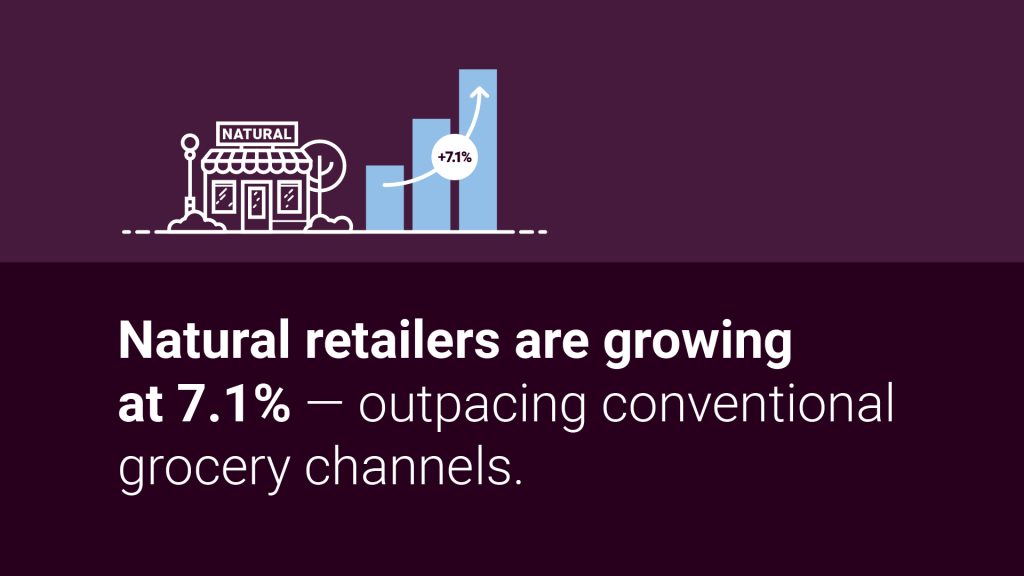
Natural may represent a smaller share of overall grocery sales, but it incubates trends that later scale: ingredient integrity, sustainability, and functional positioning among them. 

For brands, the natural channel isn’t just another shelf. It’s an early signal of where the broader market is heading. 

What smart manufacturers are doing now 

The strongest brands are already moving: 

  • Reformulating with more protein, fiber, and functional ingredients 
  • Using cleaner ingredients before regulations require it 
  • Designing products that complement GLP-1 usage 
  • Telling brand stories strong enough to compete with private labels 
  • Communicating benefits with exceptional clarity 

The opportunity ahead 

The nutrient reset isn’t about chasing a superfood or short-term trend. It reflects a deeper change in how shoppers define value, trust, and health. 

At Impact Natural, we help brands turn market signals into decisions they can act on. 

The reset is already underway. 

All News & Insights

Healthspan over lifespan: How functional ingredients are reshaping natural CPG 

Share

For years, “living longer” was the wellness north star. But today’s consumers aren’t satisfied with simply adding years — they want those years to feel good. That shift from lifespan to healthspan is transforming natural CPG and reshaping what shoppers buy, how they buy it, and where they expect to find it. 

At Impact Natural, we see this change playing out every day in natural retail. It’s not about fads or quick fixes. It’s about proactive, science-backed choices that help people live better, not just longer. 

A daily mindset, not a fad 

According to McKinsey, the global wellness market has soared to $2 trillion, fueled by younger generations who treat wellness as a lifestyle, not an occasional reset. They want products that slot naturally into their routines, whether that’s a functional snack, a supplement, or a beverage that comes with benefits. 

What does that mean for brands? It means short-term diet trends don’t carry the weight they once did. Shoppers want tools for long-term performance: energy to fuel a workout, focus for a productive workday, restorative sleep to repair the body and mind. 

Six categories driving growth 

McKinsey highlights six categories where demand is climbing: 

  • Functional Nutrition 
  • Beauty & Aesthetics 
  • Longevity & Healthy Aging 
  • In-Person Wellness Experiences 
  • Weight Management 
  • Mental Health & Mindfulness 

Each offers white space for brands that can innovate with credibility. For example, weight management is being reshaped by consumers using GLP-1 medications, many of whom are looking for nutrient-dense products to complement those regimens. 

Functional ingredients to watch 

Five ingredients are seeing strong traction, each backed by science and market demand: 

  • Magnesium — for stress relief and sleep (SPINS) 
  • Berberine — for blood sugar control (Market Research Biz) 
  • Creatine — for cognitive performance and muscle health (SPINS) 
  • Lion’s Mane — for brain health (Nutritional Outlook) 
  • Colostrum — for gut support and immunity (Mordor Intelligence) 

What unites them is versatility. These ingredients appear not just in supplements, but across categories, from functional beverages to protein snacks and powders. That cross-aisle relevance makes them powerful building blocks for both established and emerging brands.

What the numbers say 

Behind the buzz, consumer data confirms that wellness is more than a passing trend: 

These numbers aren’t abstract. They reflect the shoppers walking into natural retailers every day: informed, motivated, and willing to pay for products that make a difference. 

Generational drivers 

Wellness priorities don’t look the same across age groups. Each generation approaches healthspan with distinct motivations and habits

  • Gen Z & Millennials: Treat wellness as a lifestyle, appreciate personalization, and are willing to pay for quality and innovation. Social media and tech-driven products influence choices. Though they make up 36% of the U.S. adult population, they drive over 41% of wellness spending. Their priorities extend to sleep, appearance, and mindfulness, and they’re quick to adopt health apps and wearables. 
  • Gen X & Baby Boomers: Focus on health maintenance and aging well. Value proven ingredients and seek price-conscious solutions, with less pull from digital trends. Purchases lean toward essentials (vitamins, analgesics, and eye care) with less interest in newer or tech-based offerings. They value simplicity and efficacy as much as clean ingredients. 

What it means for natural retail 

Natural and organic shoppers already associate their purchases with long-term health benefits. The opportunity lies in making that connection even clearer. Helping shoppers understand that a higher-priced item delivers future savings in healthcare or quality of life reframes value in a way that resonates. 

Natural retailers reinforce these expectations. For example, Sprouts reports 30% of sales from organic products alongside strong sustainability commitments. These values align with shopper expectations and reinforce why natural retail remains a trusted channel for wellness innovation. 

Opportunities for brands 

So, what should brands take from all this? 

  1. Lead with benefits, not buzzwords. Don’t just name an ingredient, show what it does and why it matters.
  2. Design for discovery. Whether in-store or online, shoppers should be able to see at a glance how your product supports their goals. QR codes can extend the story to ingredient sourcing and usage guidance without cluttering the label. 
  3. Price with purpose. Shoppers are willing to invest in wellness if you connect the dots between cost and long-term payoff. 
  4. Think omnichannel. Consumers expect to find functional products everywhere: their local co-op, their Whole Foods aisle, and their digital carts. 
  5. Back it up with science. With 54% of consumers saying they know their supplements, vague claims won’t cut it. Data and research matter. 
  6. Align across SKUs. From packaging to claims, a unified approach reinforces trust and helps shoppers recognize your brand instantly. 

The bottom line 

As Scott Dicker of SPINS explained, active nutrition was once a market reserved for athletes and gym-goers. Today, it belongs to everyone, reflecting a shift toward wellness as a universal priority. 

For brands competing in natural retail, the opportunity is here: align with this healthspan mindset, innovate with ingredients that matter, and tell your story with clarity and confidence. 

At Impact Natural, our role is to help brands do exactly that, translating consumer insights into retail strategies that win shelf space, shopper loyalty, and lasting growth. 

Let’s talk about positioning your products for the healthspan era.