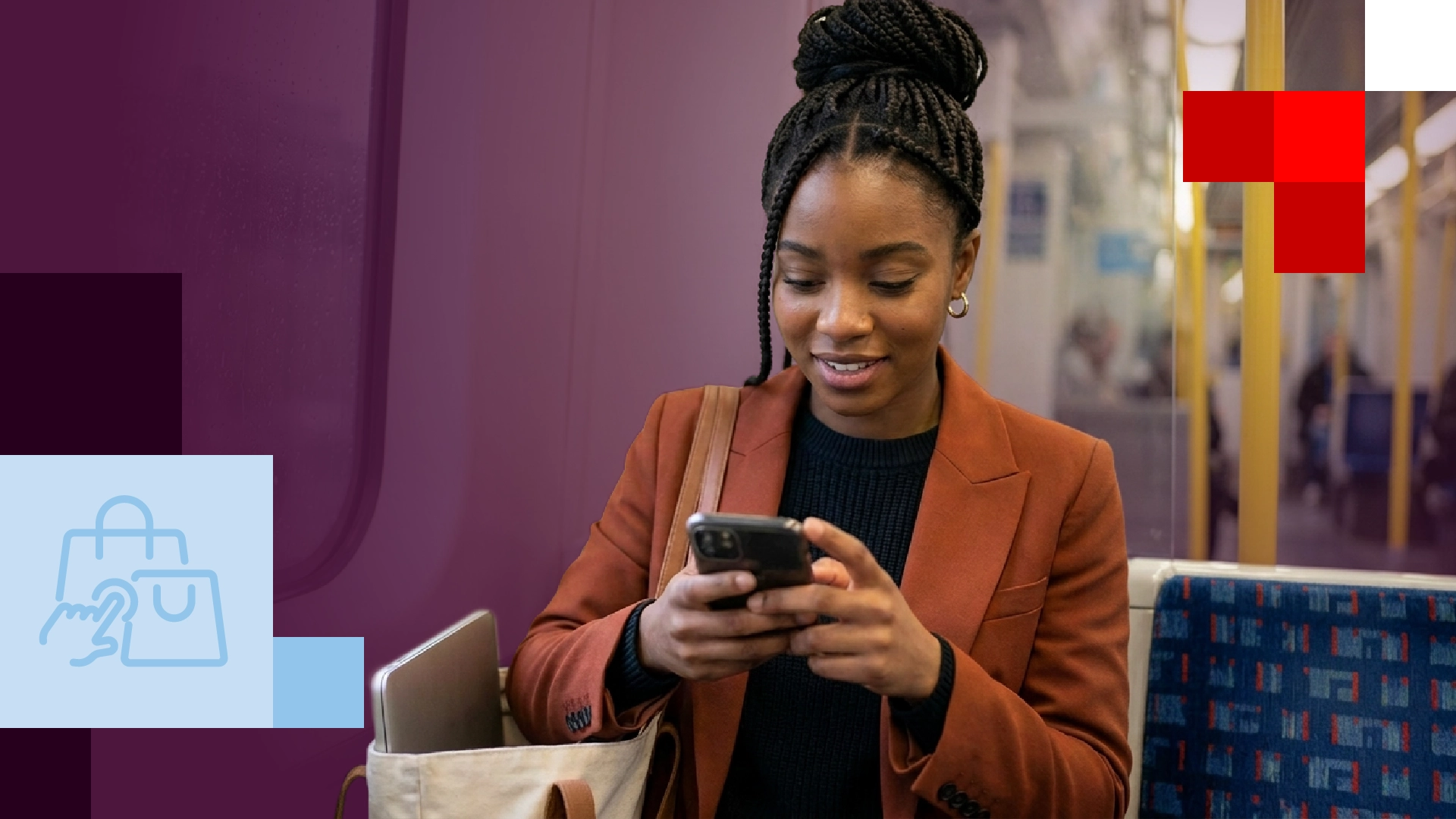
Understanding the modern shopper journey
There was a time when retail strategy felt much simpler.
Brands focused on getting on the shelf, gaining visibility, and securing as much distribution as possible. If you were in the right stores, with the right merchandising and the right support behind you, growth generally followed.
For a long time, that playbook worked.
Today, we’re operating in a fundamentally different environment. Consumers have changed how they make decisions.
One of the questions I hear most often from brands is, “Where should we grow next?”
My answer, “Let’s first understand how your shopper is actually shopping.”
If we’re still building our growth strategies around yesterday’s shopper journey, we’re likely missing what’s happening right in front of us.
Consumers are arriving with more decisions already made
A few years ago, I was walking a store with a client and discussing shelf placement. We spent time reviewing assortment, competitive positioning, promotional strategy, and visibility opportunities.
All important conversations. But afterward, it struck me that we weren’t discussing the shopper.
Had they already seen the product online? Heard about it from a friend or creator they trust? Read reviews? Compared prices across retailers before walking through the door?
The more I thought about it, the more apparent it became that the shelf was no longer where many decisions were being made. In many cases, it was where decisions were being confirmed.
Consumers may still purchase at the shelf, but they’re increasingly deciding long before they get there.
Physical and digital retail now complement each other so seamlessly that we may not even recognize how often we move between them.
The purchase funnel evolved
For years, our industry relied on a relatively straightforward view of consumer behavior: Build awareness. Drive consideration. Generate purchase.
Today’s shopper rarely follows a straight path.
They think about their needs. They think about solutions. And they think about trust.
Consumers have more information than ever before, but what they’re really looking for is confidence: confidence they’re making the right choice, that a product delivers on its promise, and that a brand aligns with what matters to them.
The brands earning that confidence are the ones creating meaningful connections long before the moment of purchase.
Distribution creates opportunity, not demand
Over the course of my career, I’ve seen one pattern repeat itself across brands at every stage of growth.
Landing a major retailer is exciting. It creates energy throughout an organization and can feel like confirmation that the brand has arrived.
There’s an understandable rush toward expansion.
More retailers. More channels. More distribution.
Growth becomes synonymous with reach.
But I’ve also seen brands secure hard-won distribution and then struggle to generate the expected results. The presence was there. The consumer demand was not.
That is because reach without relevance rarely creates sustainable growth.
I’ve seen brands with relatively modest distribution outperform competitors with much larger footprints because they understood more deeply what problem they solved, how consumers discovered them, what motivated trial, and what created loyalty.
They weren’t simply more available. They were more relevant.
Being available matters. Being chosen matters more.
Brands need to spend less time thinking about channels in isolation and more time understanding the moments that shape consumer decisions.
What sparks discovery?
What turns a first purchase into loyalty?
Once those moments are understood, the path forward becomes much clearer. The goal is no longer to optimize a single shelf, campaign, or retailer. It is to create a connected experience across the shopper’s entire journey.
The digital shelf, physical shelf, retail media, brand content, ratings and reviews, in-store merchandising execution, and word of mouth all play a role. Brands need to connect these touchpoints around the way shoppers actually discover, evaluate, purchase, and return to a product.
To the consumer, that experience should feel seamless, even when it is anything but behind the scenes.
This is where many growth strategies either accelerate or stall.
Too often, teams operate in parallel rather than together. Shopper insights sit in one area, sales in another, marketing in another, and e-commerce somewhere else entirely.
Yet consumers don’t experience brands that way.
They see one brand.
One promise.
One experience.
The companies creating sustainable growth are the ones aligning their organizations around how shoppers actually make decisions, not around how internal functions are structured.
The best growth strategies start with curiosity
When I think about the brands that consistently outperform, regardless of category, size, or channel, they share one trait.
Curiosity.
They’re endlessly curious about their consumers, and it shows up in the questions they ask.
- What motivates someone to try the product for the first time?
- What builds trust?
- What brings that person back?
- Where is the shopper experiencing friction?
- What is influencing behavior?
- What matters now that didn’t matter a year ago?
Answering these questions requires brands to look beyond sales results and standard retail metrics. Sales data can tell us what happened. Shopper understanding helps explain why it happened.
Both matter, but the “why” often reveals the greater opportunity.
It can tell a brand:
- Why a product is gaining attention online but not converting in-store.
- Why trial is strong but repeat purchase is weak.
- There’s a disconnect between what the brand wants to communicate and what the shopper actually needs to hear.
In a rapidly changing retail environment, that understanding is becoming increasingly valuable.
Retail is becoming more human, not less
There’s a lot of discussion today about technology, artificial intelligence, retail media, and data.
Those topics are important. They’re changing how brands reach shoppers, how retailers engage them, and how consumers discover and evaluate products.
But I sometimes wonder if we’re missing the bigger story.
Technology is changing how shoppers make decisions. It isn’t changing why people buy.
Despite all the change happening around retail, people still want the same things: products that solve real problems, brands they trust, and confidence they’re making the right choice for themselves or their families.
At its core, retail remains a human business.
The brands that remember that stay focused. They use technology to deepen consumer understanding, not replace it. They use data to ask better questions, not simply produce more reports. And they view every retail touchpoint as an opportunity to help the shopper make a more confident decision.
The goal is not to be present everywhere just for the sake of being present.
The goal is to be relevant when and where it matters.
The longer I work in this industry, the more convinced I become that the future won’t automatically belong to the brands with the biggest presence.
It will belong to the brands with the deepest understanding.
The ones that listen more closely.
The ones that stay curious longer.
The ones that recognize consumer behavior as an opportunity rather than a disruption.
The shelf still matters. It always will.
But the shelf is no longer the store.
It’s one stop along a journey that begins much earlier and extends far beyond the initial purchase.
The real opportunity isn’t simply getting products into more places. It’s earning a place in the consumer’s consideration, confidence, and ultimately, their trust.
The brands that thrive won’t necessarily be the ones with the biggest footprint. They’ll be the ones with the clearest understanding of the people they serve.
Today, we have more ways than ever to listen, learn, and connect with consumers. If we use those capabilities thoughtfully, we can create more than transactions. Because when brands take the time to understand what matters to consumers, where friction exists, and what shapes their decisions, they stop chasing growth and start creating it.
Follow Tamara on LinkedIn for her practical insight on scaling emerging brands in conventional retail.